Aral
An old fisherman brings his grandchildren to the ship graveyard where the sea used to be. A film built single-handedly, one panel at a time.
A sixty-year ritual, a vanished sea, and the day it returns.
A sea that
comes home
The Aral Sea was the fourth largest lake on Earth. Today the water is about 150 kilometers from its ships, stranded in the sand where the sea once was. The place is real: the ship graveyard of Moynaq.
Every year, on his father's birthday, an old fisherman returns to those ships. This year he brings his grandchildren. When he was a boy and the sea was dying, his father, who worked at a cannery, found a seashell in a crate of frozen fish and gave it to him: keep it, this way you can still hear the sea.
His father did not believe the sea would ever come back. He did. The film is a story of grief, of faith and of waiting.
“The sea does not die.
It moves.”
Stills
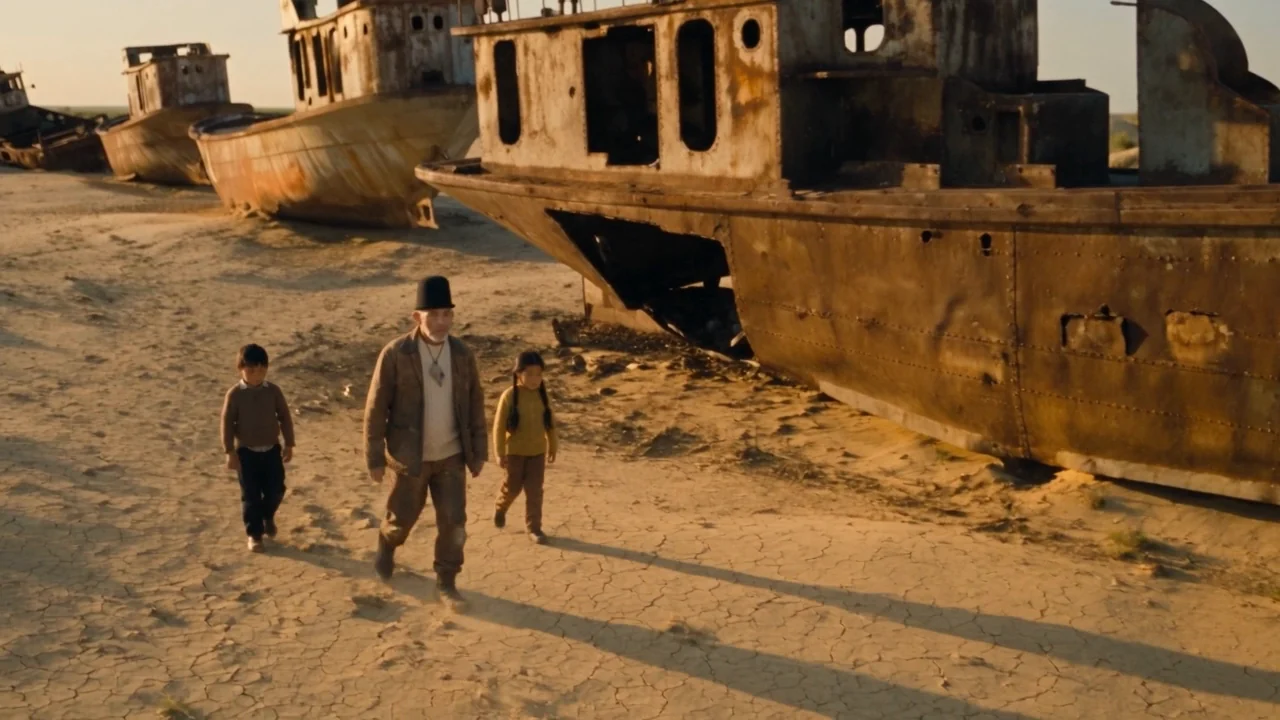
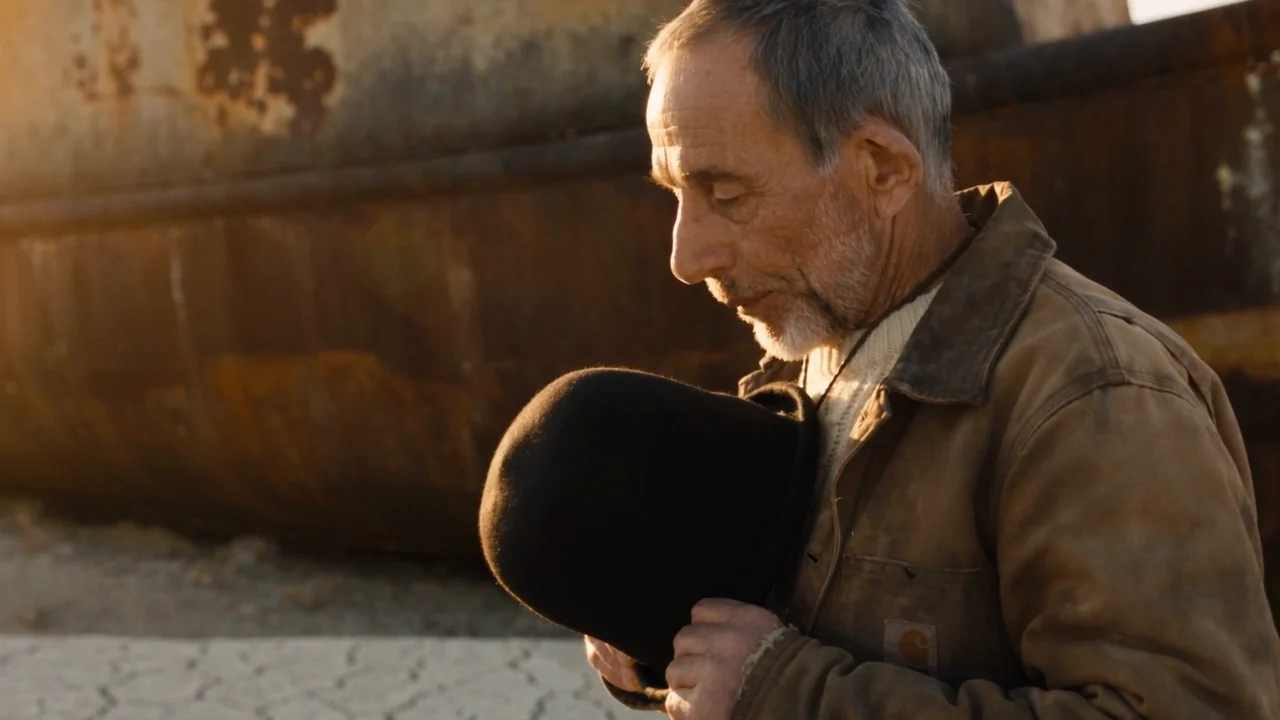
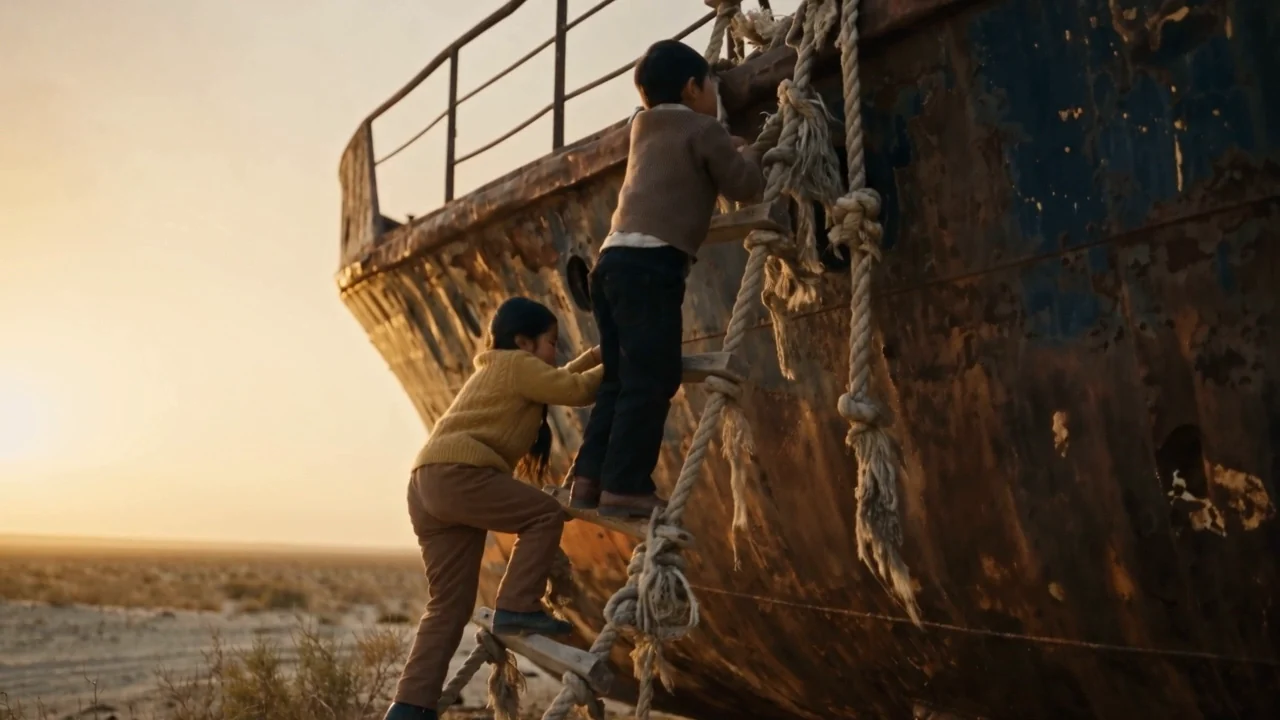
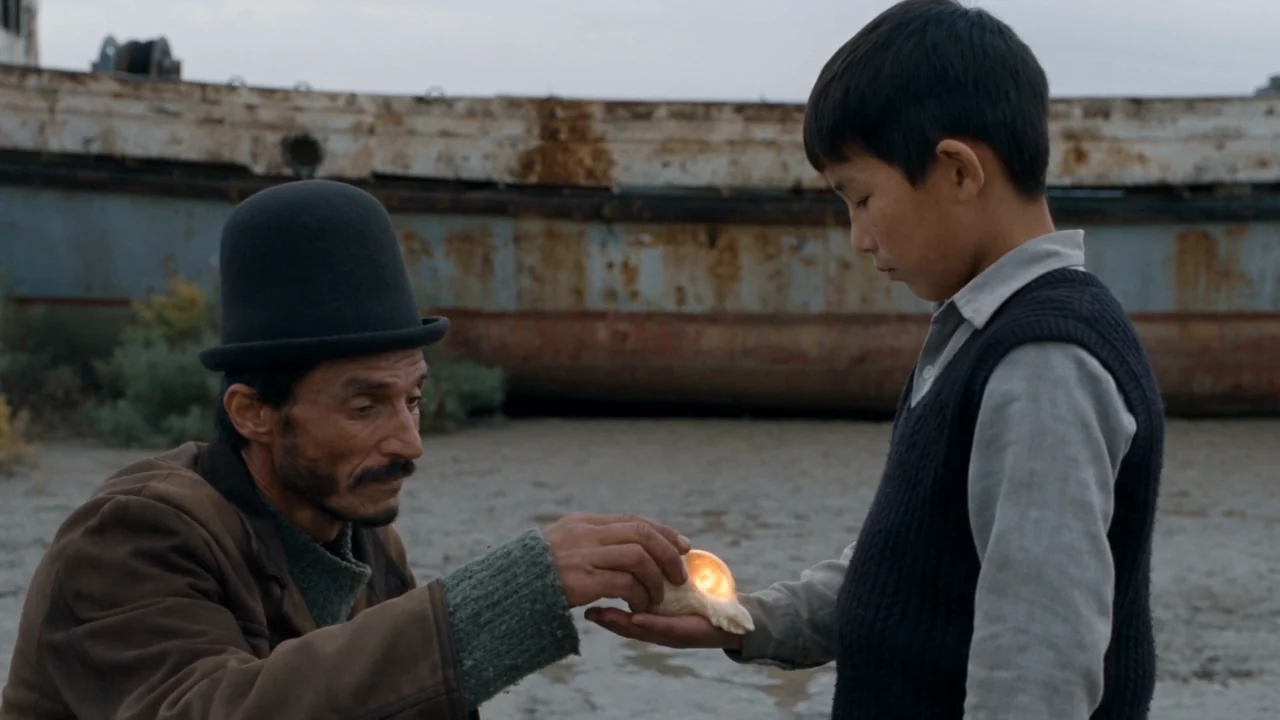
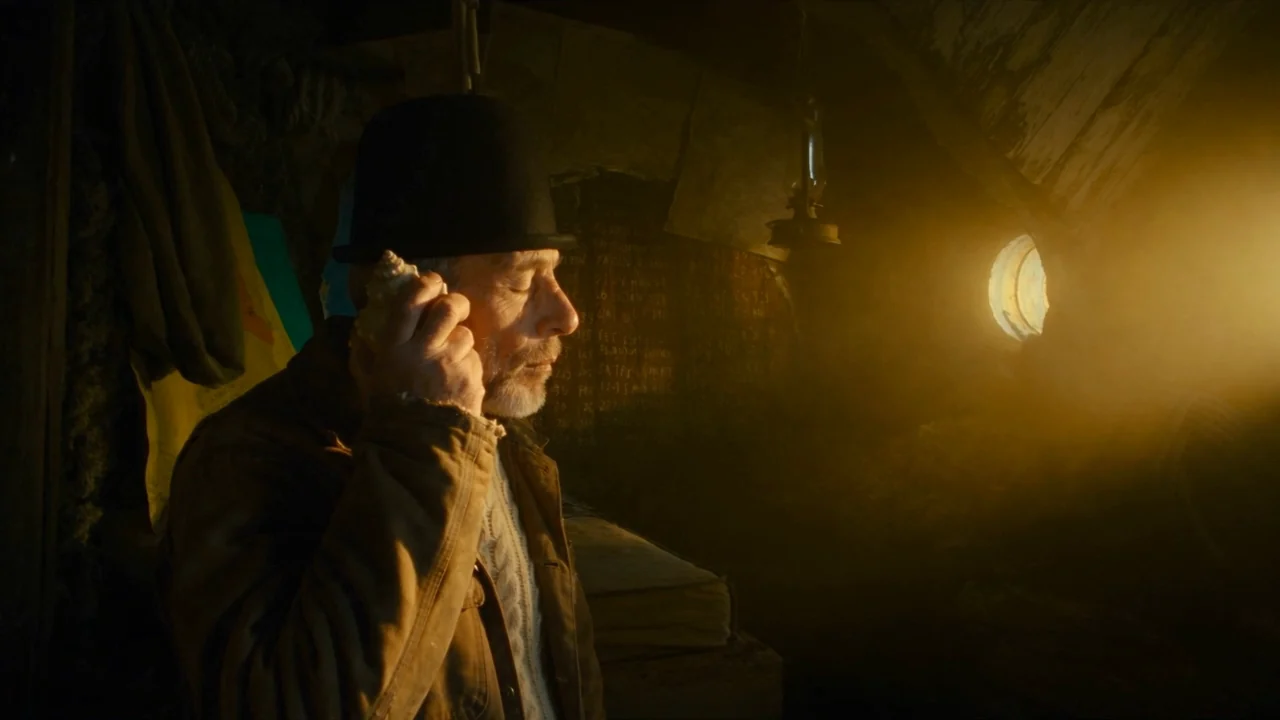
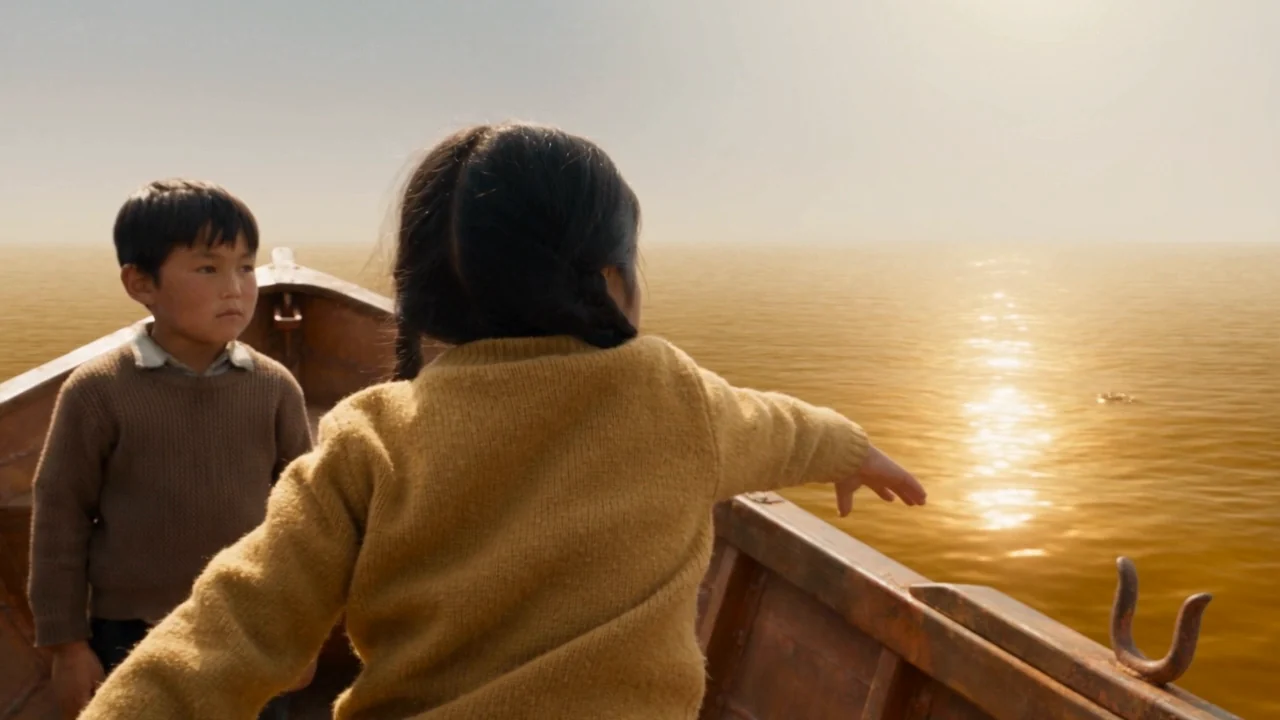
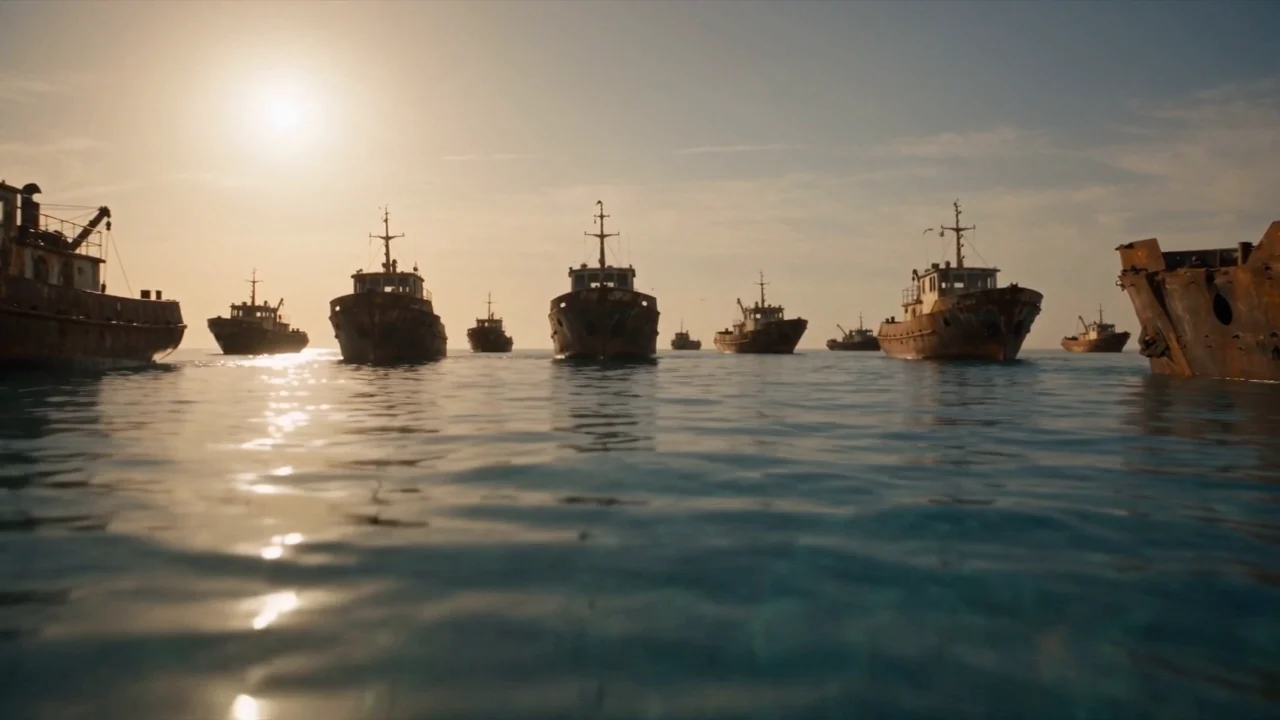
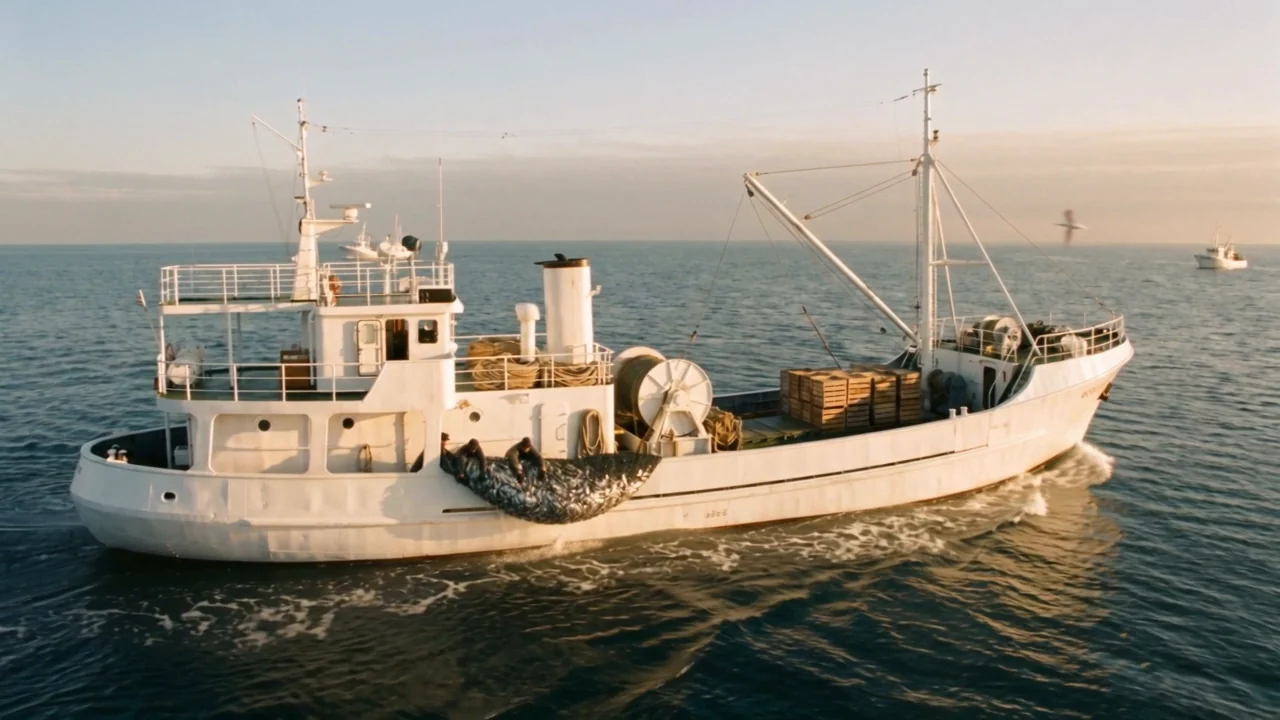
First the panel, then the prompt.
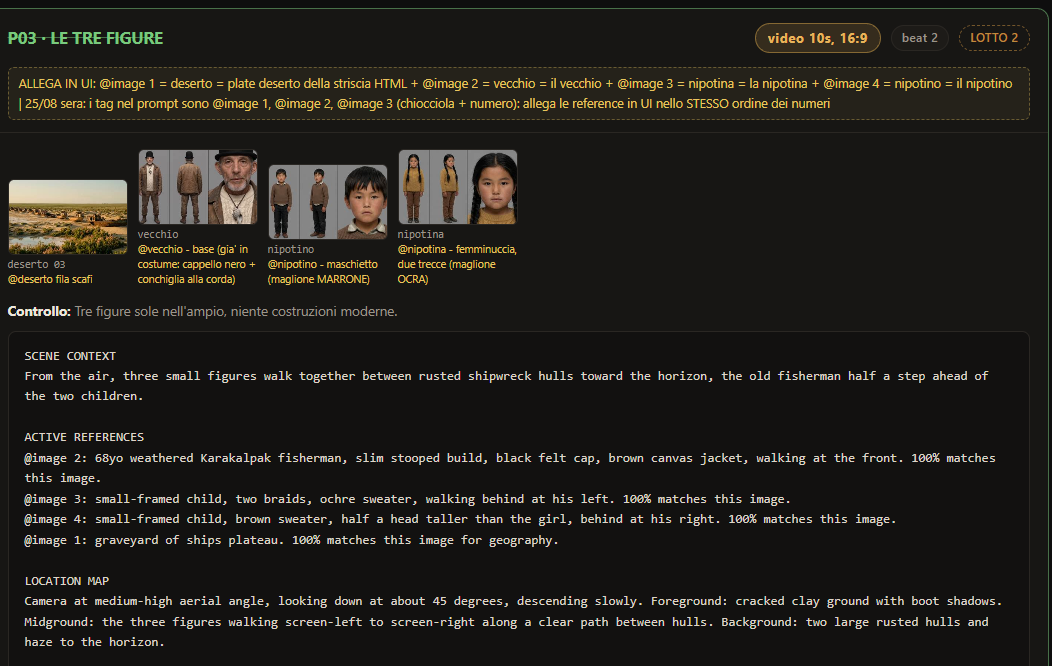
I wrote the story and locked it before generating: thirty numbered panels, each with its own prompt, its reference images and a working order. First the most important and least risky panels, like the sea and the golden light, which tell you whether the film's world holds; the hardest close-up last. If production needed a new scene, a panel was added: the story was never rewritten. The Moynaq photos with a free license served only as reference, and none of them ends up in the film. Voice and music are generated. No crew, no shoot, no major-studio budget.
ARAL was made for the Thematic competition of the Astana AI Film Festival 2026, whose theme was The Future Worth Living In.
The film is in English. The page, in every language, shows the version with subtitles in that language.
- Written and directed by
- Erika Taranto
- Visual design and AI generation
- Erika Taranto
- Editing and sound design
- Erika Taranto
- Voice and music
- Generated with AI
- Location
- Aral Sea
- Year
- 2026
- Runtime
- 3 min 39 s