What it means to create something beautiful, and never be able to see it.
Iris paints
what she cannot see
Iris paints with her hands, recognizes colors by smell and texture, mixes by touch. She knows that thick means wet, dry means done. She has never seen her paintings: to know whether they are beautiful, she has always had to trust other people's words.
The film imagines what happens when a technology of today walks into that room: an AI that, through an earpiece, names the colors on the canvas as she paints. It doesn't give her back her eyes. It gives her back her canvas.
With her is Leo, an orange tabby cat. He walks across the paintings left to dry and leaves pawprints: his signature. They are the last image of the film.
“It doesn't give me back my eyes.
It gives me back my canvas.”
Stills
Premiered in Geneva · July 9, 2026
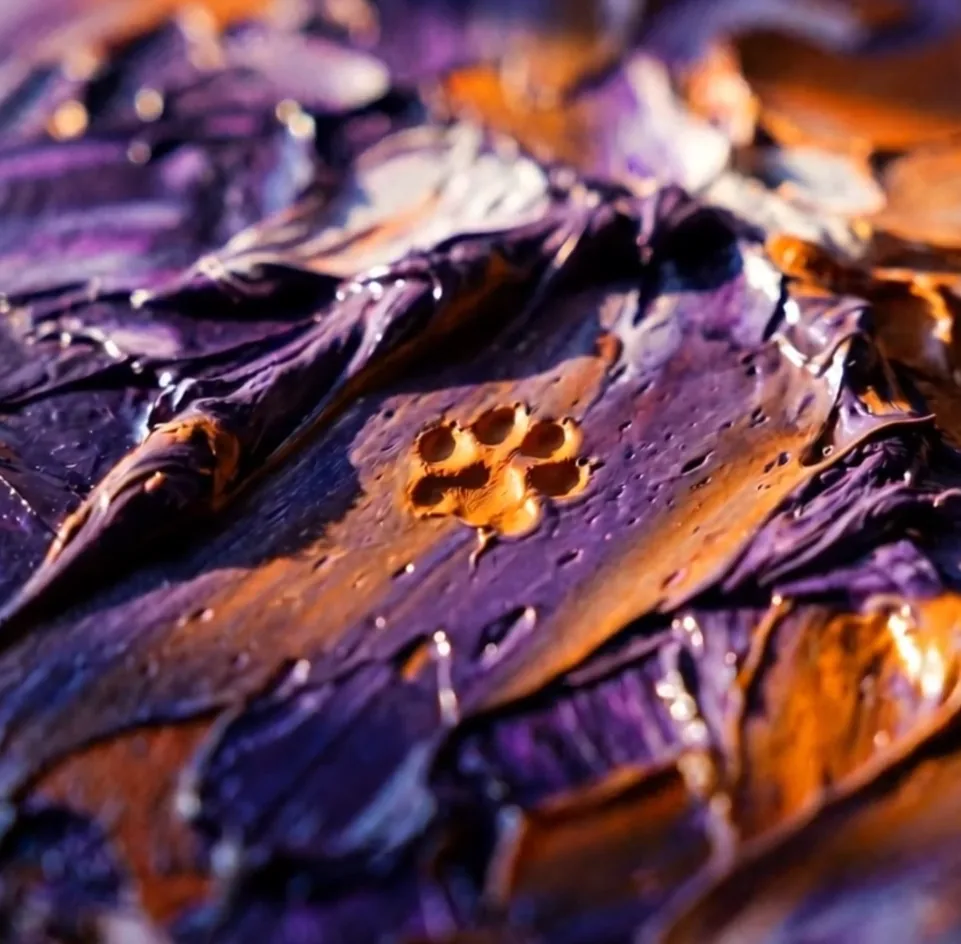

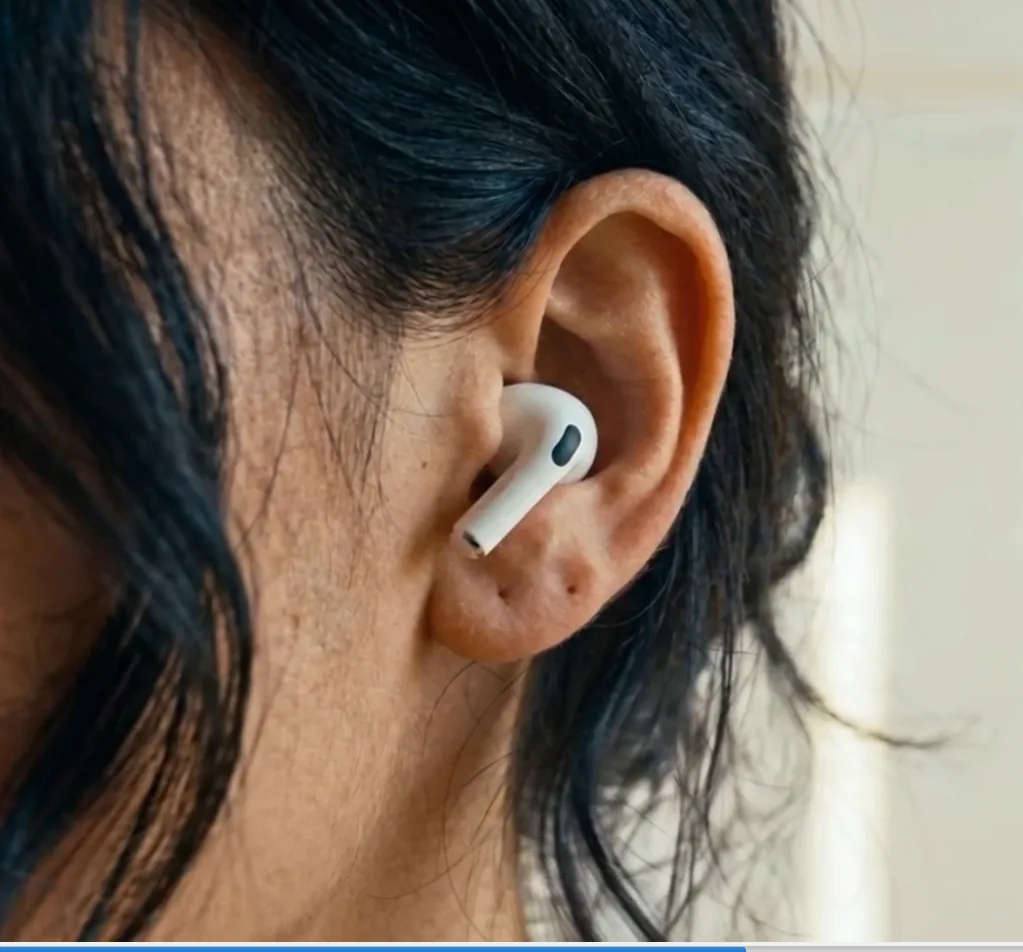
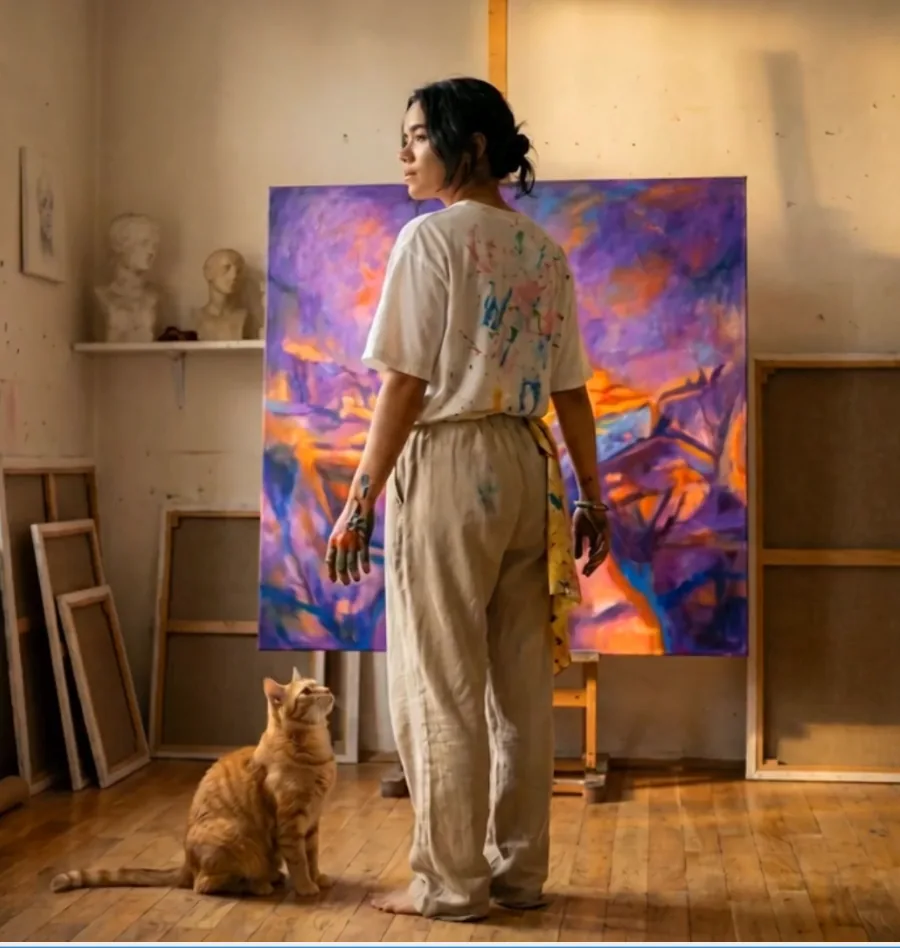

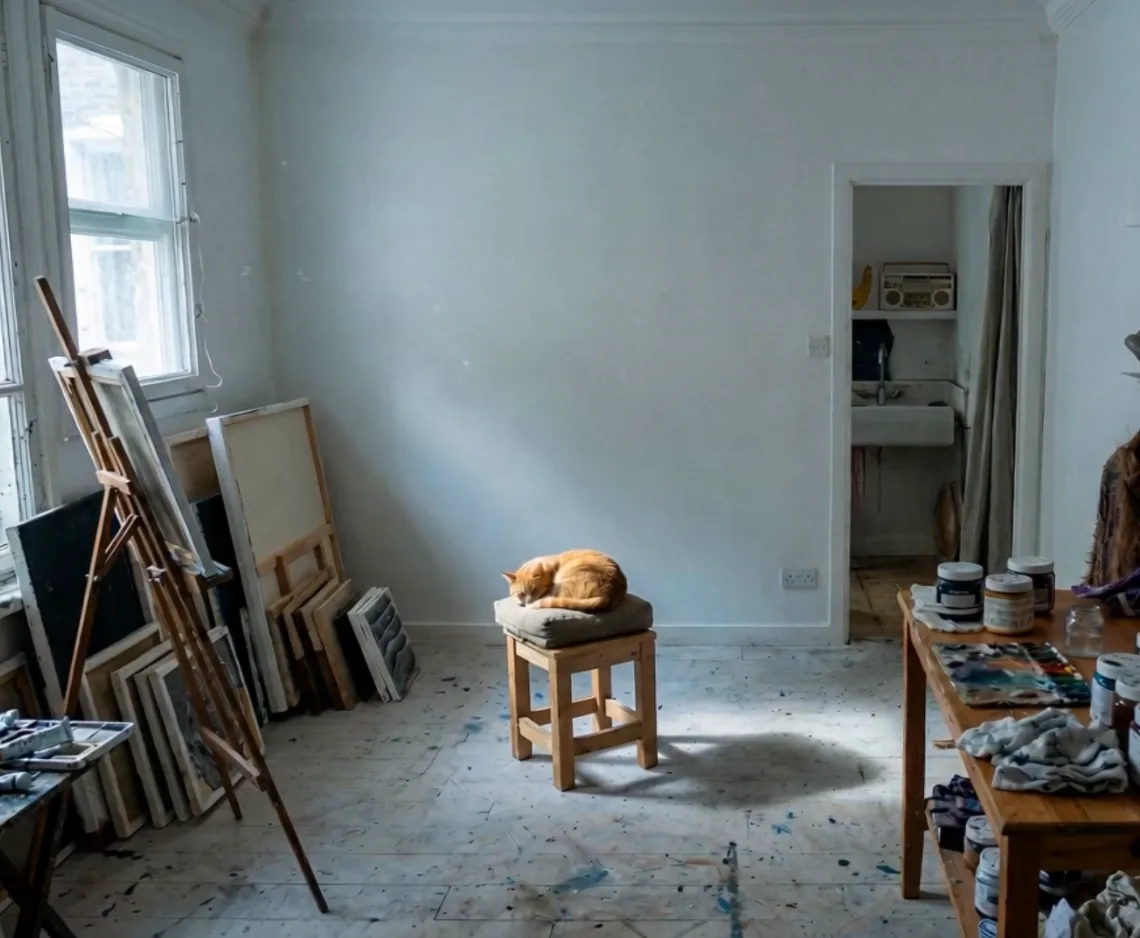
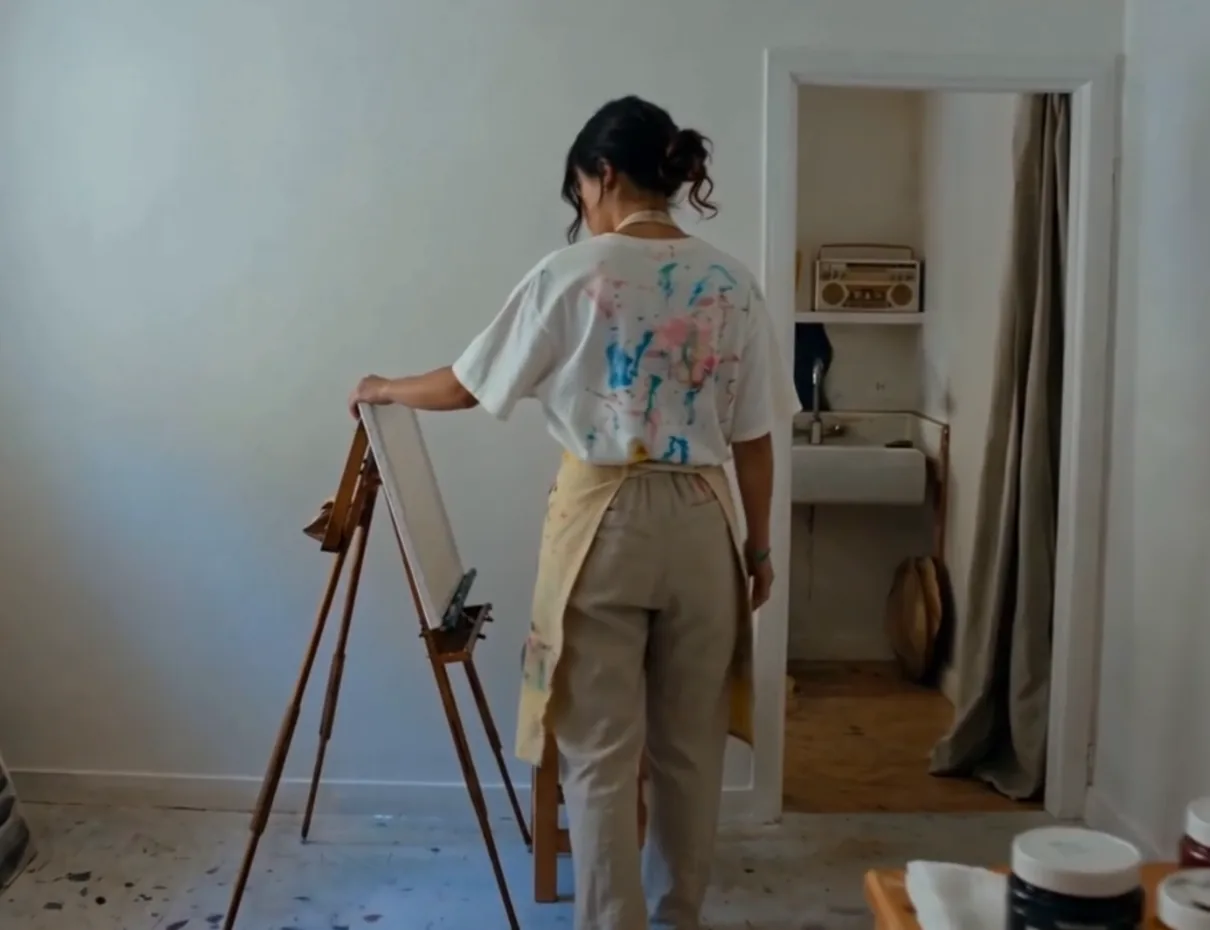
The tool executes. The decisions stay with the director.
Generative doesn't mean pressing a button and waiting for magic. It's the exact opposite: I directed every shot, chose every movement, discarded a great deal. Much of the study and testing went through ComfyUI: there I try out and refine the prompts before taking them to the other tools. Library music, royalty free, not generated. No crew, no shoot, no major-studio budget.
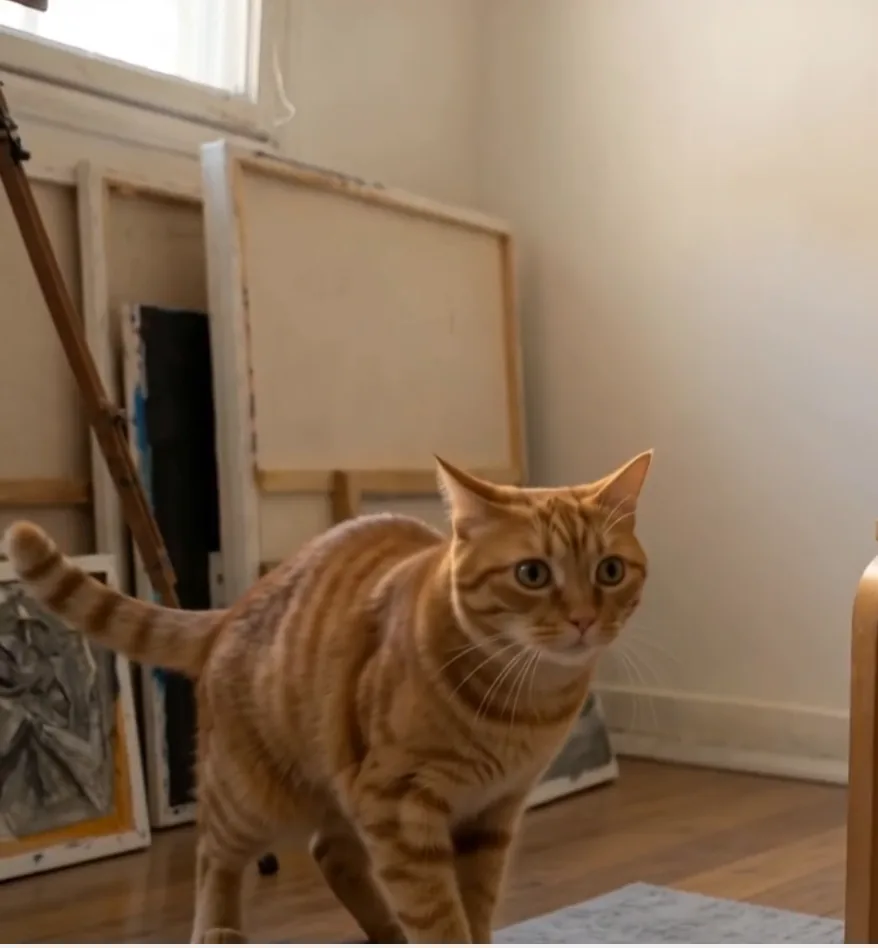
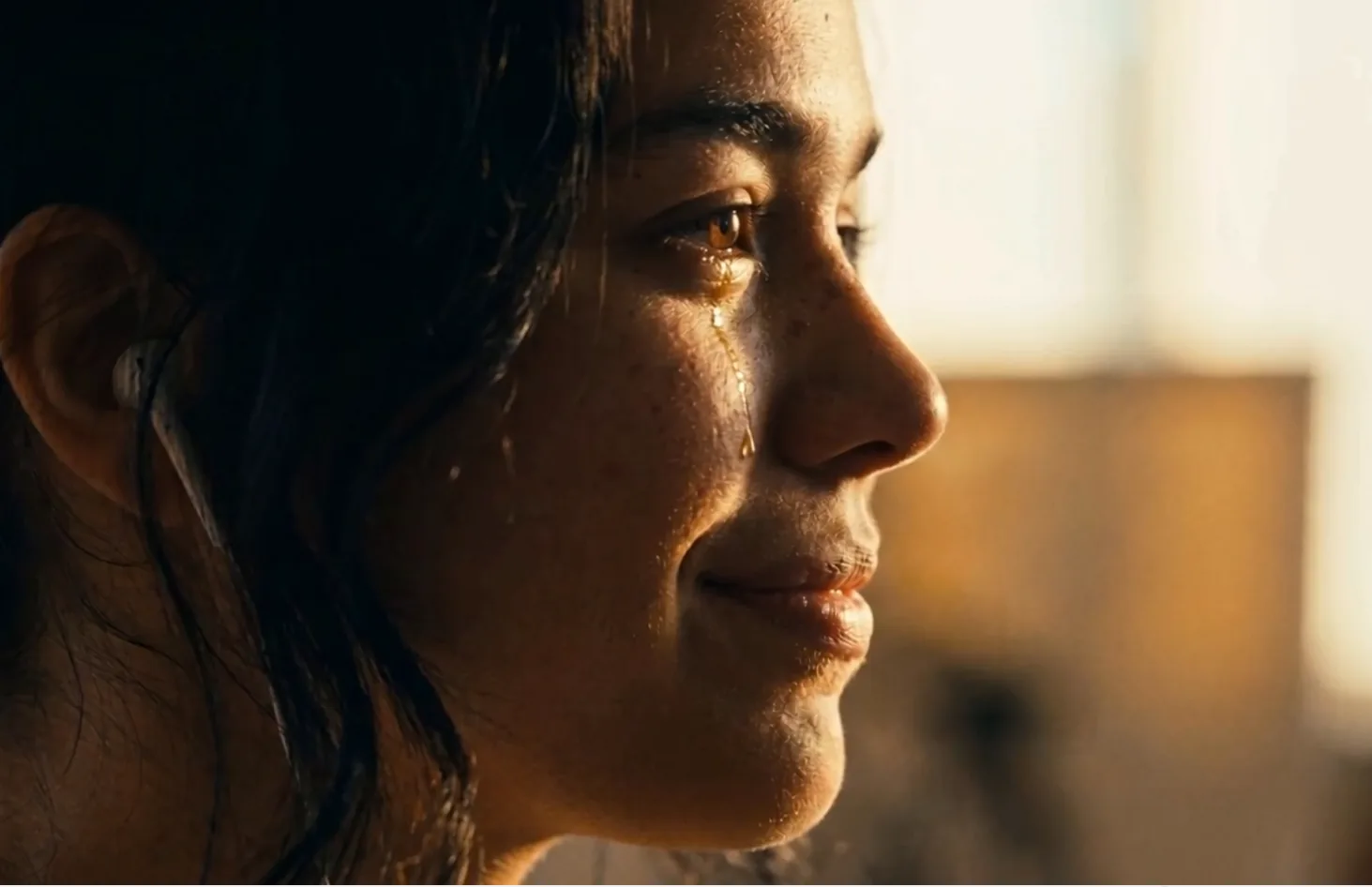
UNSEEN is my first truly ambitious project, bigger and longer than anything I'd made before. And the first time I took it out into the world, it ended up among the 10 finalist films out of more than 1,300 entries from all over the world.
Not for the technical effect. It was chosen because it tells AI for Good literally - visual assistance for those who cannot see already exists, today - and stakes everything on a single emotion: technology that doesn't replace, but restores.
AI for Good Film Festival 2026, organized by the ITU (United Nations). It was screened on July 9, 2026 in Geneva.
- Directed by
- Erika Taranto
- AI workflow and method
- Oleksandr Moccogni
- Year
- 2026
- Runtime
- 4 min 29 s
“From Lipari to the United Nations: Erika Taranto’s short film UNSEEN heads to the UN”